
Being a teenager has never been easy. It wasn’t easy when I was one, and in some ways, it may be even harder today. Add AI to the mix, and the opportunities grow but so do the complications.
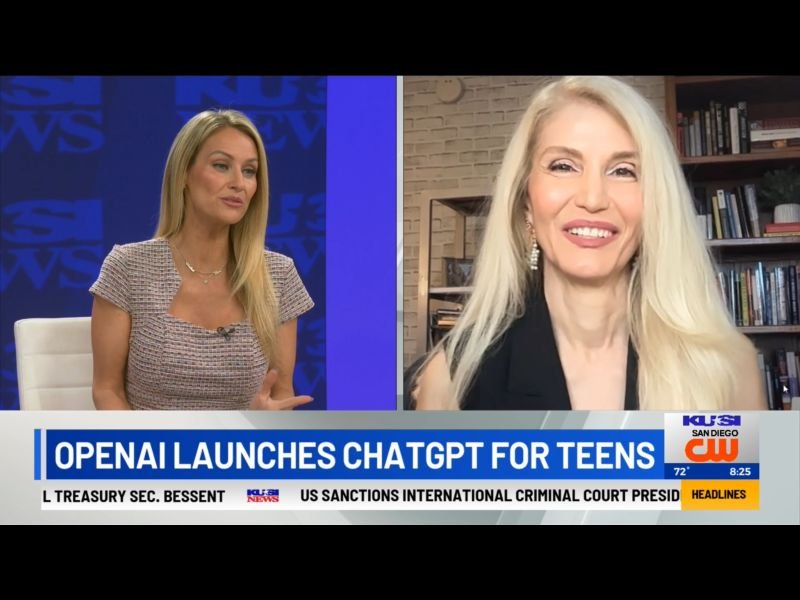
OpenAI introduced ChatGPT for Teens this week. Over the past two days, I appreciated two thoughtful conversations with Lauren Phinney at KUSI News San Diego and Guy Lambert at FOX 5 DC about what it offers and what parents should know.
ChatGPT for Teens is attempting to put guardrails around four important areas:
• Stricter limits around age-appropriate content
• Clear reminders that AI is a tool, not a person, and has neither feelings nor consciousness
• A learning experience that tutors rather than simply hands over answers
• Safety alerts for parents when the system detects signs of serious risk
Is it perfect? No. Is it bulletproof? No. Age estimation can be wrong, teenagers may bypass the guardrails, and legitimate privacy questions remain.
The larger challenge is that protecting young people should not depend solely on the voluntary choices of individual companies. We need clear standards across the industry.
Still, this is a meaningful start in the right direction, not the finish line.